



WHAT'S NEW

7 Ways to Discover New Content on Netflix




WINDOWS PHONE
New Opportunities: Tech Trading Techniques and South African Markets



LATEST ARTICLES
Cataz.net: Top cataz.net Features Review in 2024
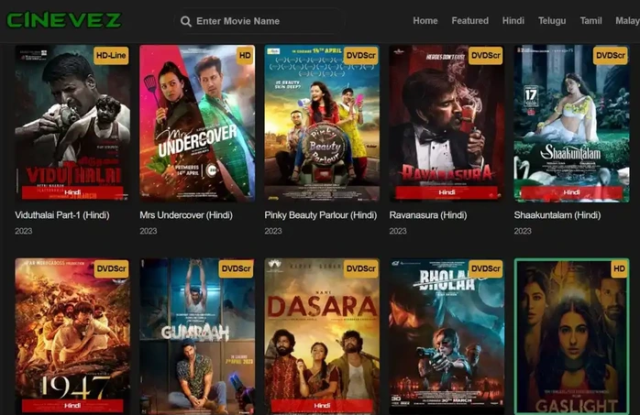
Are you still looking for the platform that streams your favorite shows? Cataz.net is an excellent pick since it offers everything you need for free. The service gained popularity during the epidemic, when individuals spent the majority of their time binge-watching their favorite movies and web series. This website may be a lifesaver, and other sites, such as Netflix and...
Best Ereaders are a growing industry in 2024

In the ever-evolving arena of current technology, digital reading devices have emerged as a game-changing resource for book lovers all over the world. These smart devices have revolutionized reading patterns and had a big influence on the publishing industry. They have served a purpose exceeding what they were designed for. These days, many customers use them to sketch diverse...
Cast of Ahsoka: Show Star Wars characters in 2024

Stay tuned with us to learn about whole Cast of Ahsoka and the roles they play. Are you looking forward to Star Wars? Rebels' showdown with Ahsoka, the star of the reality show? Who do you believe Ahsoka's cast is going to be? The live-action Disney+ series was slated to premiere on August 23rd, 2023. The show stars Ahsoka Tano,...
Best Steps How to Add Money to Venmo in 2024

Let's go out to dinner and divide the bill American style; do you always go through this hassle? Venmo has made dividing expenses among pals less stressful. To simplify your shopping experience, find out how to add money to Venmo. The software has made it easy to transfer funds from many applications to a bank account. Venmo, owned by PayPal,...
What is NewToki? Features, Access, Alternatives

What is NewToki? Who created these worthwhile reading sites? This NewToki reading website is well-known and popular among manga fans due to its diverse selection of classic and contemporary manga and online comics. There are several categories available, including Action, Adventure, Comedy, Cooking, Fantasy, Horror, Doujinshi, Drama, Ecchi, Fantasy, and Gender Bender. George Washington Smith founded this publishing firm in 1962...
Best Steps to Join My Quiz.com educational games

Are you seeking for educational games that will test your knowledge of English, Maths, and Science? Or do you like taking the quiz and want to earn some money? Look no farther than Join my quiz.com, a login code details platform for both instructors and students to solve quizzes on a variety of subjects such as English, Maths, current...